
I was studying Traditional Chinese Medicine at the University of Technology Sydney when I took my first Iyengar yoga class, at nineteen. It is where this work began. I trained in Iyengar yoga alongside my degree, and completed clinical internships at the Red Cross Hospital in Hangzhou and the Ramamani Iyengar Memorial Yoga Institute in Pune.
Two years after graduating, while in yoga teacher training, I trained in Clinical Pilates and STOTT Pilates to add targeted strength and load work to what I could offer. In 2005 I sat my first Vipassana retreat, and Theravada meditation has been part of my practice since. In 2013 I travelled to Burma for an extended Vipassana retreat at the Mahasi Sasana Yeiktha in Yangon.
My early career was in clinical settings. I practised Chinese medicine inside physiotherapy and osteopathy teams, managed complex workplace injury cases developing return to work programmes, taught applied exercise anatomy at the University of Sydney, and designed yoga programmes for the Sydney Roosters. That grounding in rehabilitation, where success means someone can go back to their life and goals, still shapes how I work today.
In 2010 I founded Three Elements Health to bring these disciplines together into one approach. The three elements are mind, body and environment: not separate problems to treat one at a time, but a single system that the work addresses together.
Through Three Elements Health, I have designed injury prevention and recovery programmes for Crystal Palace FC and Fulham FC, and worked with players from Tottenham Hotspur, and privately with athletes, musicians, artists and business leaders. I now work from London.
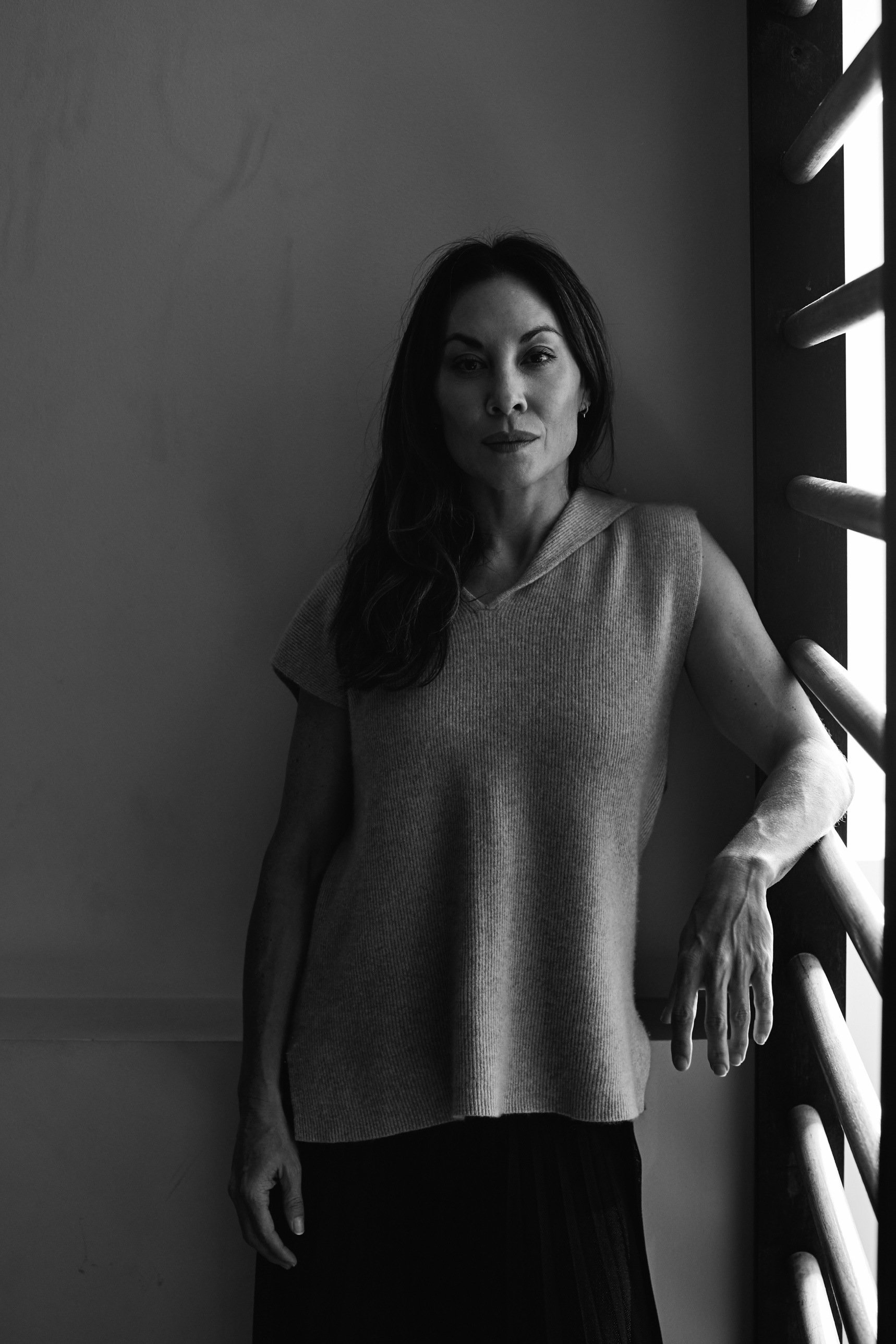
Rebecca Tung
Founder, Three Elements Health
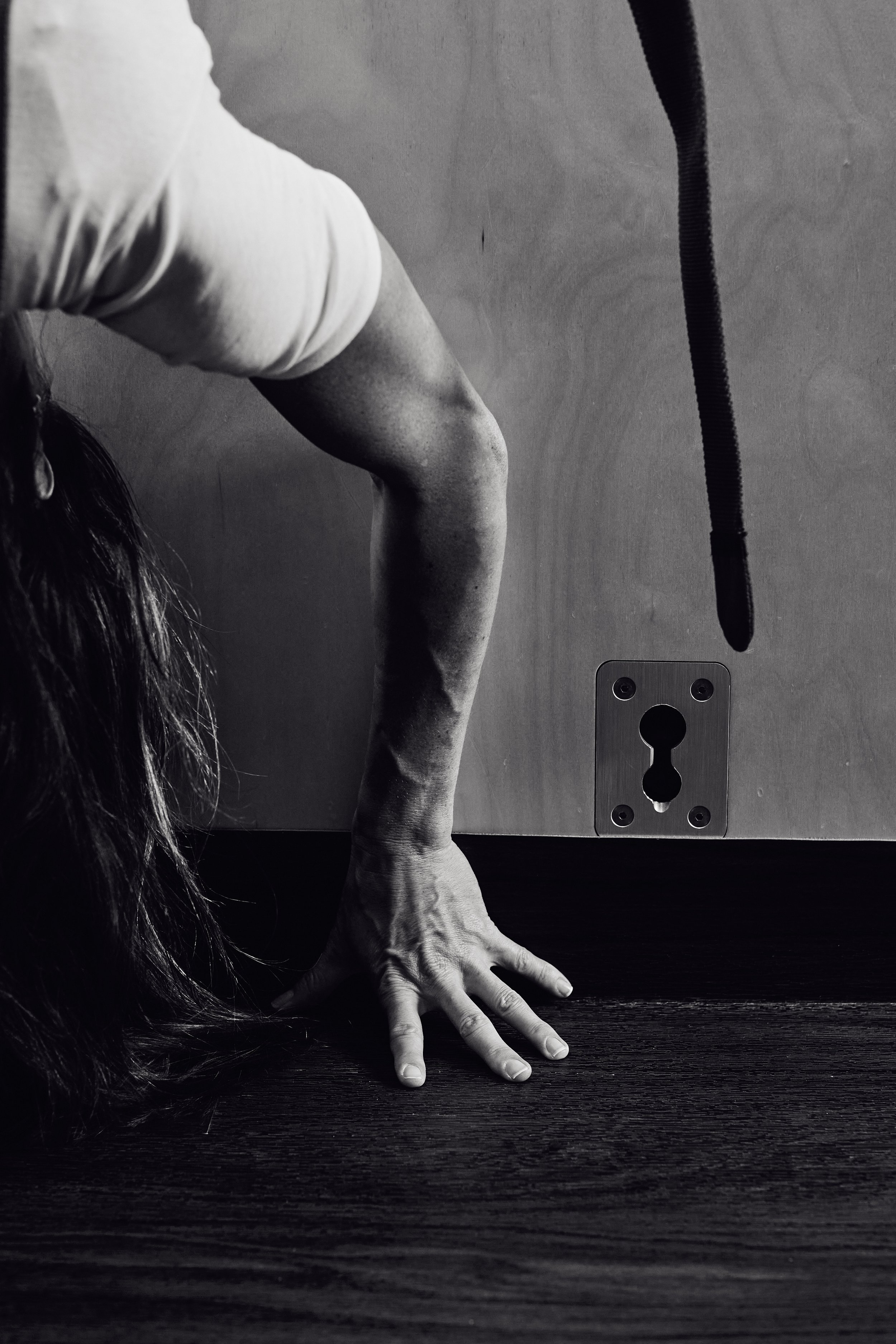
You usually know something before you can say it. Not as a hunch, but as information, arriving through the body ahead of language. Most people only start listening when it gets loud enough to stop them.
Your body has been keeping a diary of your life for as long as you have been alive. Tension patterns hold what you have carried. Breath holds your habits. Posture holds the stance you have quietly taken toward the world. This is why understanding a problem is rarely enough.
You can see a pattern clearly, name it and know what should change, and still live it the same way. The work happens in that gap, between understanding an instruction and what your body actually does with it. In each session you learn to ask three plain questions of yourself, in the middle of the movement: what am I doing, how am I doing it, and why? Asked honestly, they show you the habits that sit between intention and action.
My work is teaching you to read your body: to notice what it records, rather than react only when it complains. Chinese medicine identifies and treats the pattern. Yoga, meditation and movement change it, through breath, load and precise attention rather than willpower.
This is not relaxation. Sessions are exact and often demanding, but what matters isn’t how hard you work. It’s what you can perceive. Over time, the shift is from sensation to felt experience: the difference between reading a thermometer and feeling cold. Clients come with an injury that won’t resolve or pain that keeps returning. The aim is a body they can read for themselves.
Training
Bachelor of Health Science (Traditional Chinese Medicine), University of Technology Sydney
Registered Iyengar Yoga Teacher
Clinical internship, Red Cross Hospital, Hangzhou
Internship, Ramamani Iyengar Memorial Yoga Institute, Pune
Clinical Pilates and STOTT Pilates
Professional Certificate in Functional Anatomy
How I work
Mind · Body · Environment
Start the conversation
Whether it’s an injury, recurring pain or the demands of your work, tell me what’s bringing you here.